
The Passion of the King
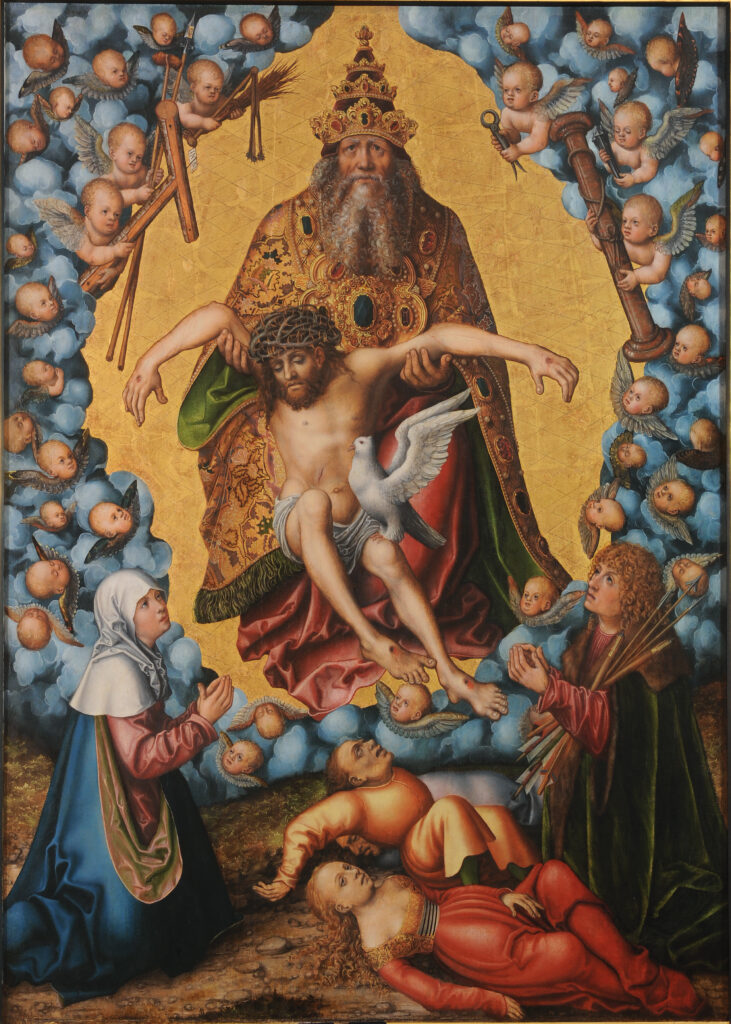
Bach’s St. John Passion, BWV 245, occupies a pivotal place at the beginning of his Leipzig career. The work was first performed on Good Friday, 7 April 1724, less than a year after Bach assumed the post of Thomaskantor. Passion music had not been performed in the city the previous year due the death of […]
Part I/1: Betrayal and Arrest
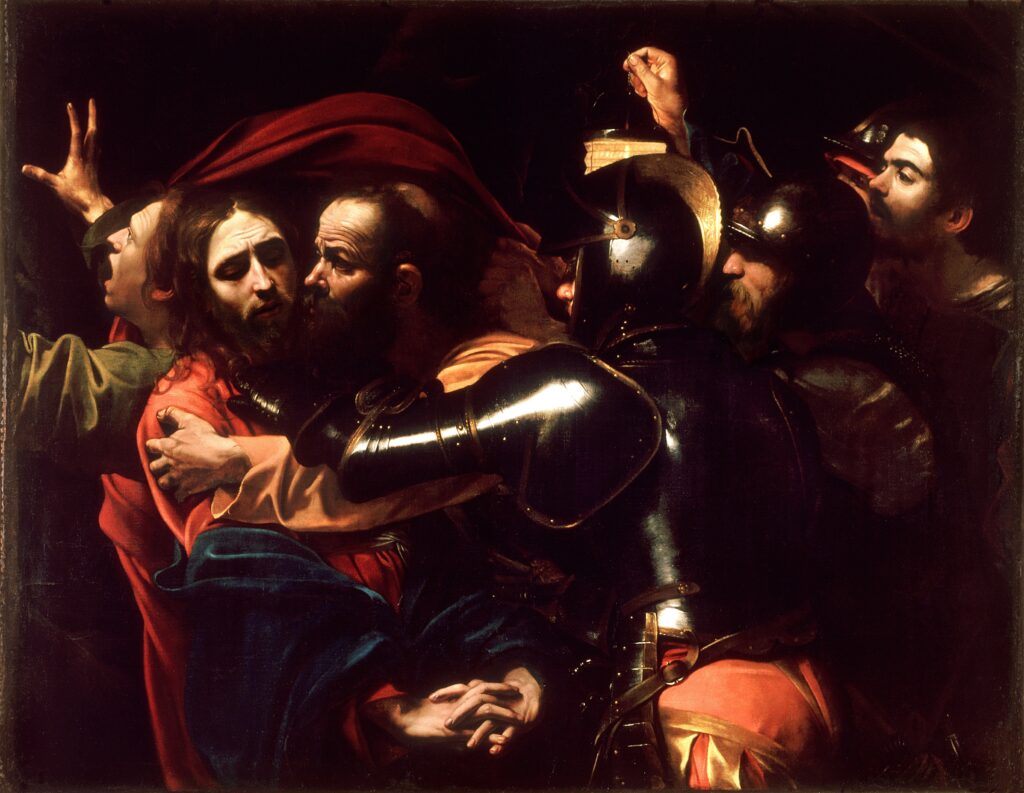
Most versions of the St. John Passion (except the 1725 one) open with a majestic and monumental choral fantasia that conveys musically one key idea from the Gospel of John: Jesus is glorified through his crucifixion. The tension between these two opposing concepts is easily heard in the music. A relentless, pulsating bass on a […]
Part I/2: Peter’s Denial
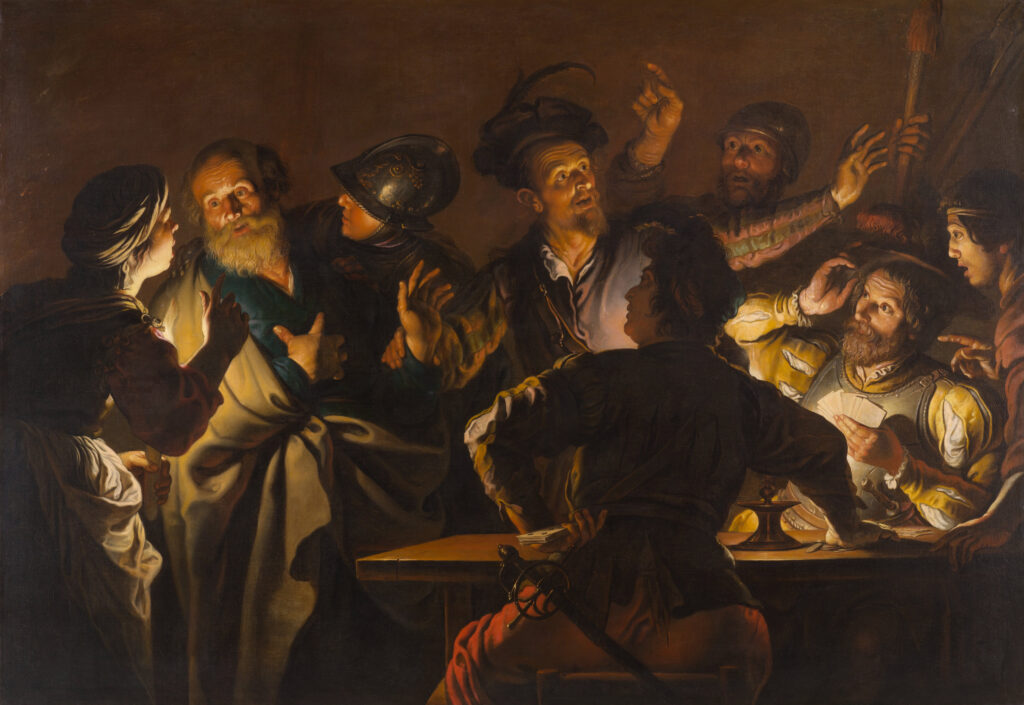
After a very brief utterance by the Evangelist (just half of verse 15), another aria follows. The Gospel mentions following Jesus, and this is the idea developed in the aria text. The scoring is for soprano, two flutes in unison, and continuo, in an agile and light triple tempo. The instrumental line is comprised of […]
Part II/1: Interrogation and Scourging
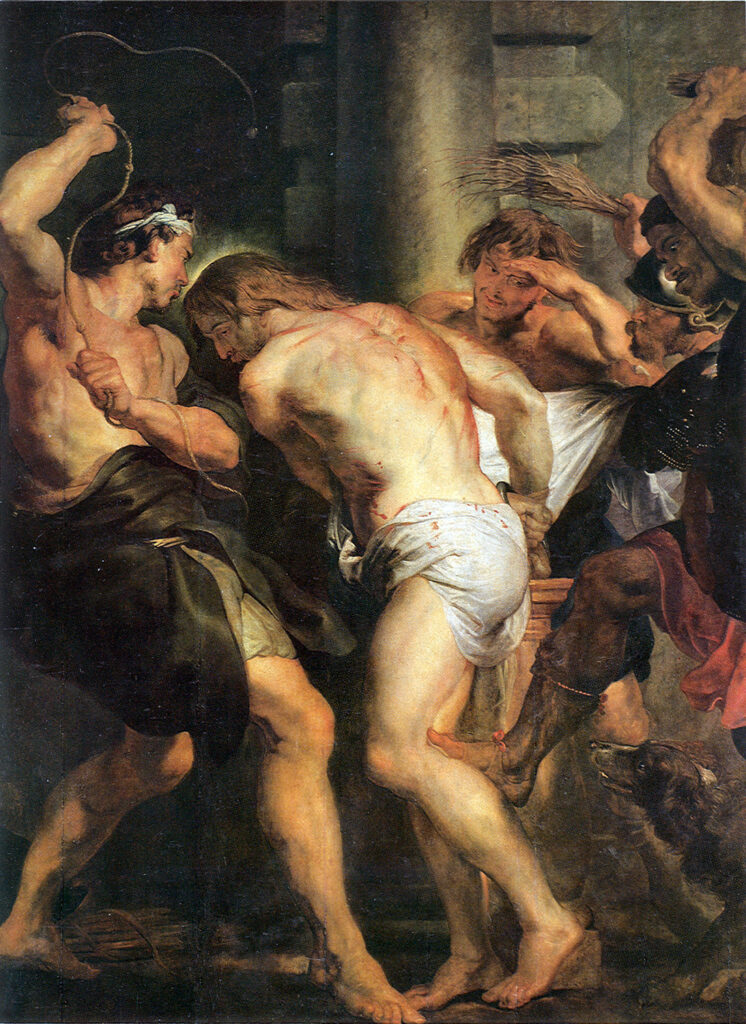
The first scene of Part II opens with a chorale, whose text is the opening stanza of a Passion hymn by Michael Weiße (1531). The chorale functions as commentary that parallels and summarizes the Gospel account delivered in Part I. It serves as a connection point into the remainder of the narrative, after the long […]
Part II/2: Condemnation and Crucifixion
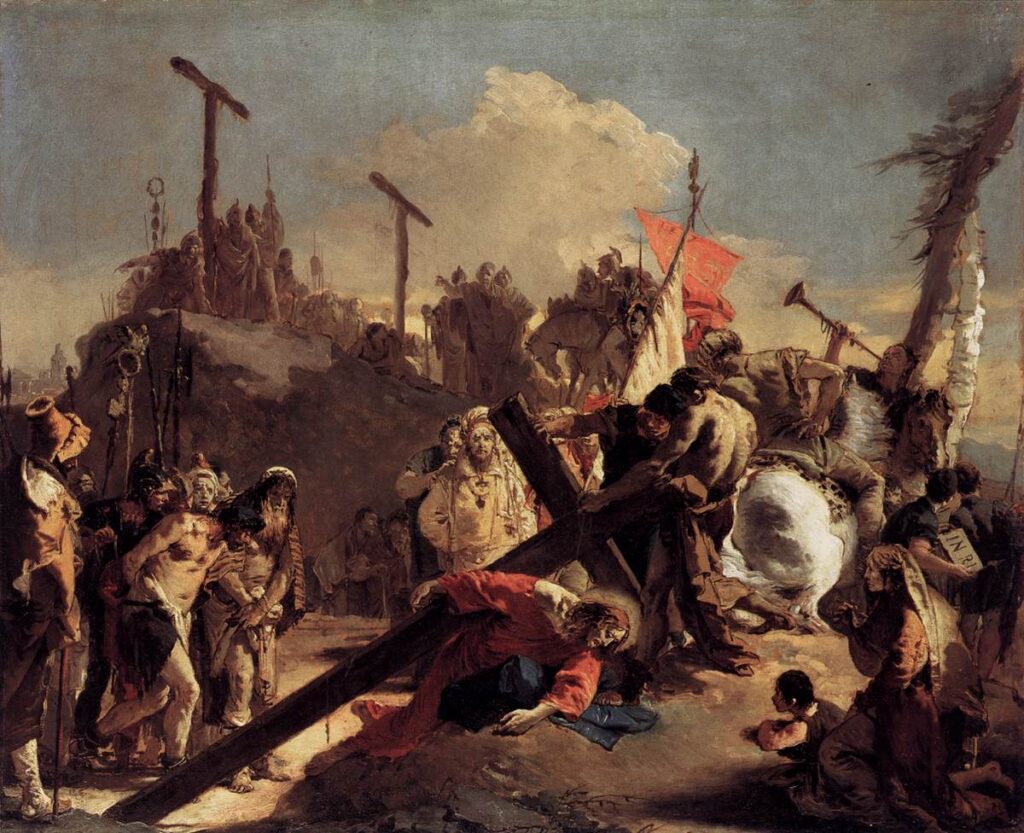
The second scene of Part II opens with Gospel narrative, including three interventions by the choir impersonating the vociferous crowd. After the Evangelist tells us that the soldiers put the crown of thorns and purple robe on Jesus, the first choral segment illustrates the mockery of the crowd by means of a simple fugal subject […]
Part II/3: The Death of Jesus
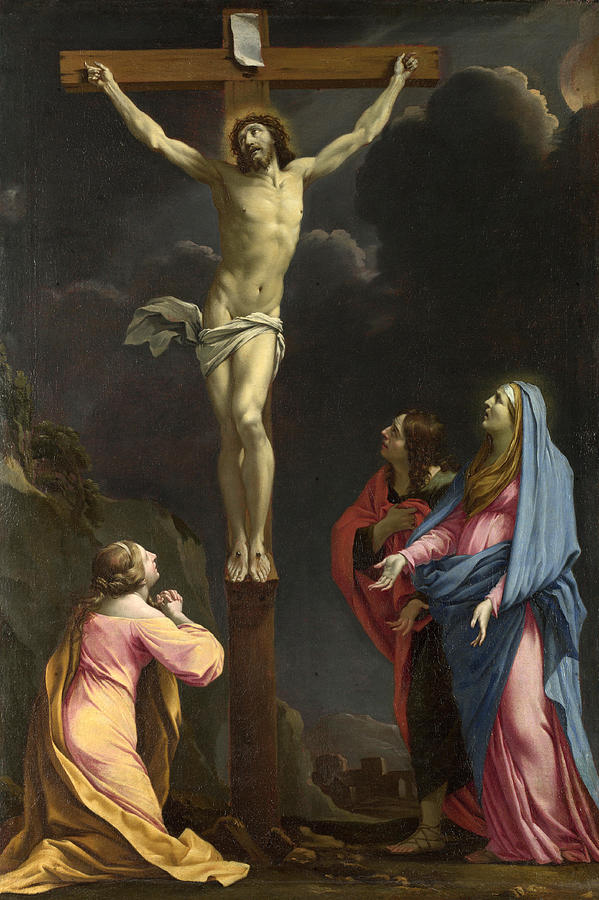
The third scene in Part II covers three events leading up to Jesus’ death on the cross. First, the Evangelist narrates how the soldiers split up Jesus’ garments and cast lots for his tunic. This introduction leads to a choral intervention in which the choir impersonates the soldiers. It’s a lively, energetic fugal construct in […]
Part II/4: Burial
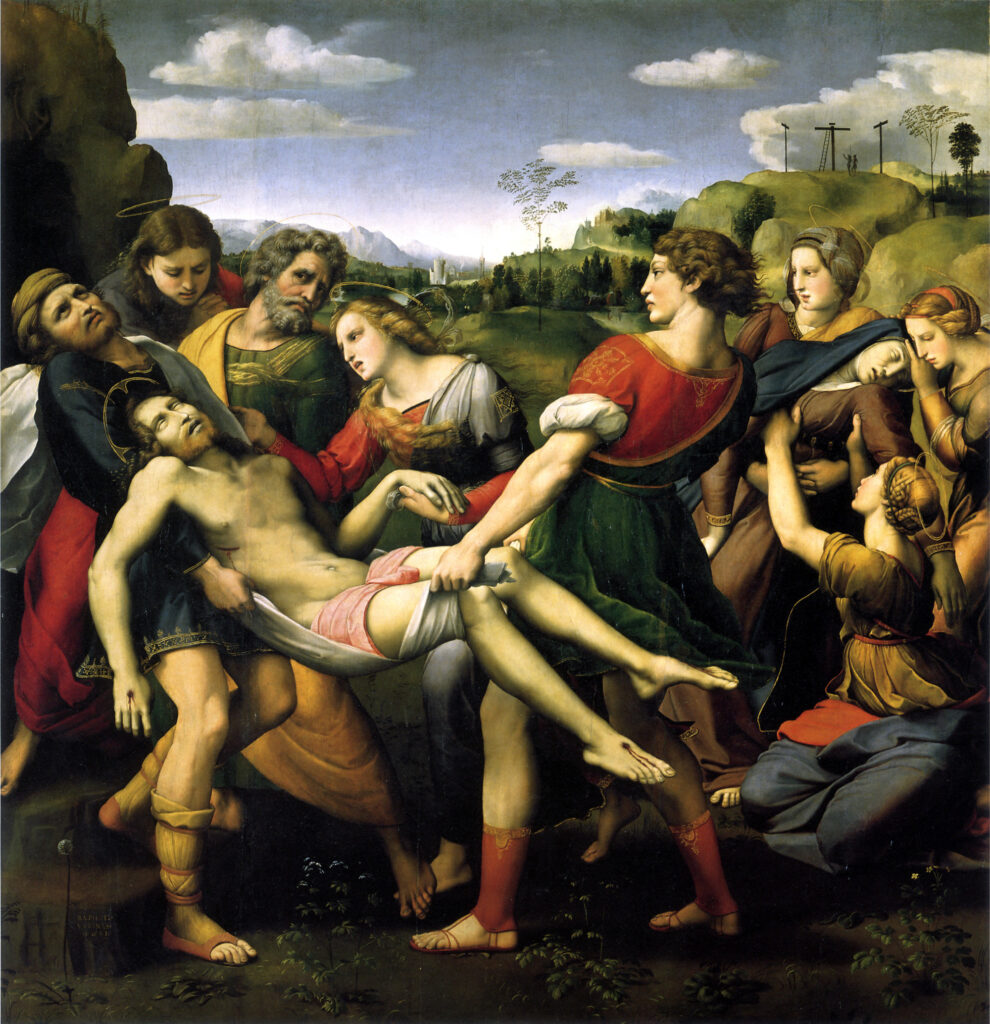
The closing scene of the Passion, related to Jesus’ entombment, opens with an Evangelist recitative, on text inserted from St. Matthew’s Gospel (Matthew 27: 51–52). Bach sets the dramatic account by illustrating the earthquake via a rapid descending scale on the basso continuo line, followed by constant tremolos on the lowest notes of the violoncello […]